TENS 7000 Digital EMS Unit
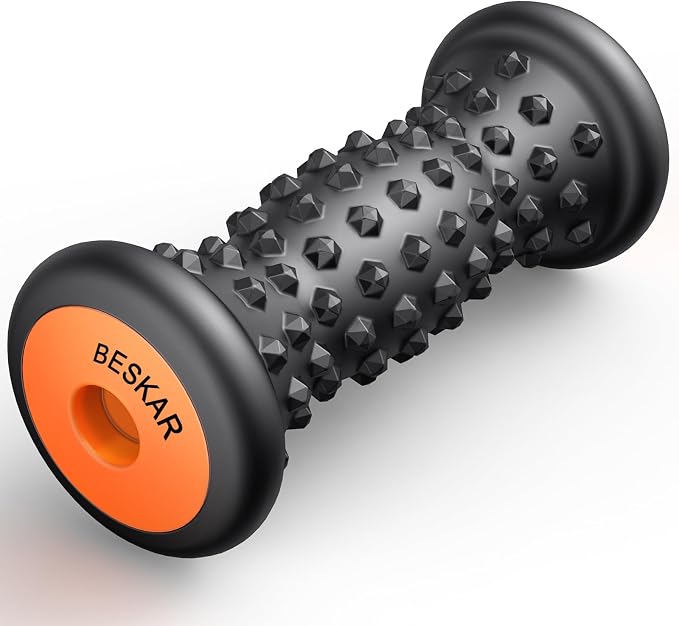
Acupressure nubs and textured roller designed for plantar fasciitis relief and myofascial foot arch release. Portable, non-electric, and precise pressure control.
Price: $38.88 | Rating: 4.4/5 (14,256 reviews)
Plantar fasciitis is the gift that keeps on taking. The condition — inflammation of the thick connective band running from heel to ball of foot — affects 2 million Americans each year, according to the American Academy of Orthopaedic Surgeons. It makes the first steps of the morning feel like walking on broken glass. It turns a 30-minute walk into a 15-minute hobble. And it can last 6-18 months if untreated.
The plantar fascia is a bowstring. The bones of the foot form the bow; the fascia is the string that maintains the arch. When the fascia is inflamed, every step pulls the string, and every pull sends pain through the heel and arch. The conventional treatments — stretching, ice, orthotics — work, but they're slow. Massage accelerates recovery by manually stretching the fascia, breaking up adhesions between the fascia and the underlying muscle, and increasing blood flow to the tissue.
This guide covers seven foot massagers across four technologies: manual rollers, shiatsu kneading, heated compression, and electrical stimulation (EMS). Each serves different pain levels, mobility constraints, and budgets. Last updated August 2026.
 ►
►
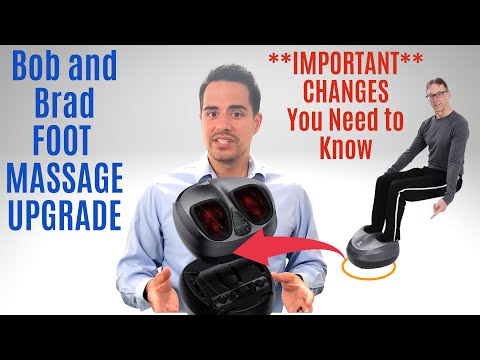
Watch: Doc Reviews 100+ Foot Massages! | Bob & Brad Heated Foot Massager for Plantar Fasciitis Relief
Acupressure nubs and textured roller designed for plantar fasciitis relief and myofascial foot arch release. Portable, non-electric, and precise pressure control.
Price: $38.88 | Rating: 4.4/5 (14,256 reviews)
The BESKAR earns the top spot for one reason: control. With a manual roller, you decide exactly how much pressure goes on exactly which part of the foot. Electric massagers have fixed pressure settings that may be too aggressive on a bad day or too gentle on a good one. The BESKAR's textured nubs target the plantar fascia band specifically, and you can shift your foot to focus pressure on the heel, arch, or ball of the foot.
The roller is 10 inches long — long enough to work both feet simultaneously or to target the full length of the plantar fascia in a single roll. The textured surface has acupressure nubs of varying heights: short nubs for general kneading, taller nubs for deep tissue work on stubborn trigger points. The center arch accommodates the foot's natural curve, so the roller contacts the entire plantar surface.
It's $15-20, requires no batteries, never breaks, and fits in a briefcase. For plantar fasciitis sufferers who need daily fascia release, this is the most cost-effective tool on the market. The limitation: you must actively roll it yourself, which requires some effort and isn't ideal for people with hand arthritis or limited mobility.
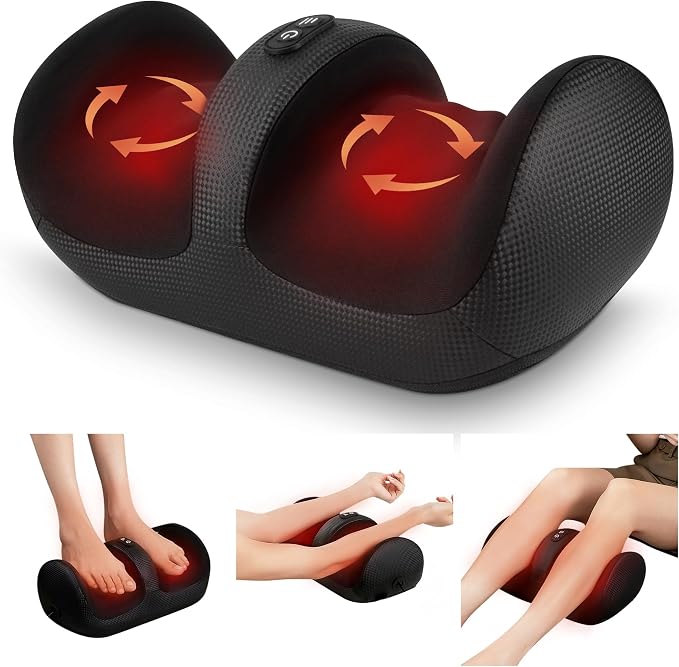
Shiatsu calf and leg massager with multiple modes for chronic foot and heel fatigue. FSA/HSA eligible. Includes infrared heat and adjustable intensity.
Price: $38.88 | Rating: 4.4/5 (14,256 reviews)
For users who want the massage done for them — no rolling, no effort, just sit back and let the machine work — the Nekteck is the best electric option under $100. It uses a combination of shiatsu kneading (rotating nodes that push into the plantar fascia) and a rolling bar (which moves up and down the foot, stretching the fascia).
The heat function uses infrared elements that warm the foot bed to 104°F — therapeutic temperature for blood flow increase. The massager accommodates feet up to size 12 (US) and has adjustable tilt (0-30 degrees) so you can find the angle that targets your arch and heel. The FSA/HSA eligibility is a bonus — if you have a flexible spending or health savings account, you can use pre-tax dollars to buy it.
The Nekteck covers both feet simultaneously, which halves the treatment time compared to single-foot massagers. The trade-off: it's bulky (16 x 13 x 10 inches, 12 lbs) and not portable. It's a stationary appliance that lives in one spot — the living room recliner or the bedroom — and stays there.
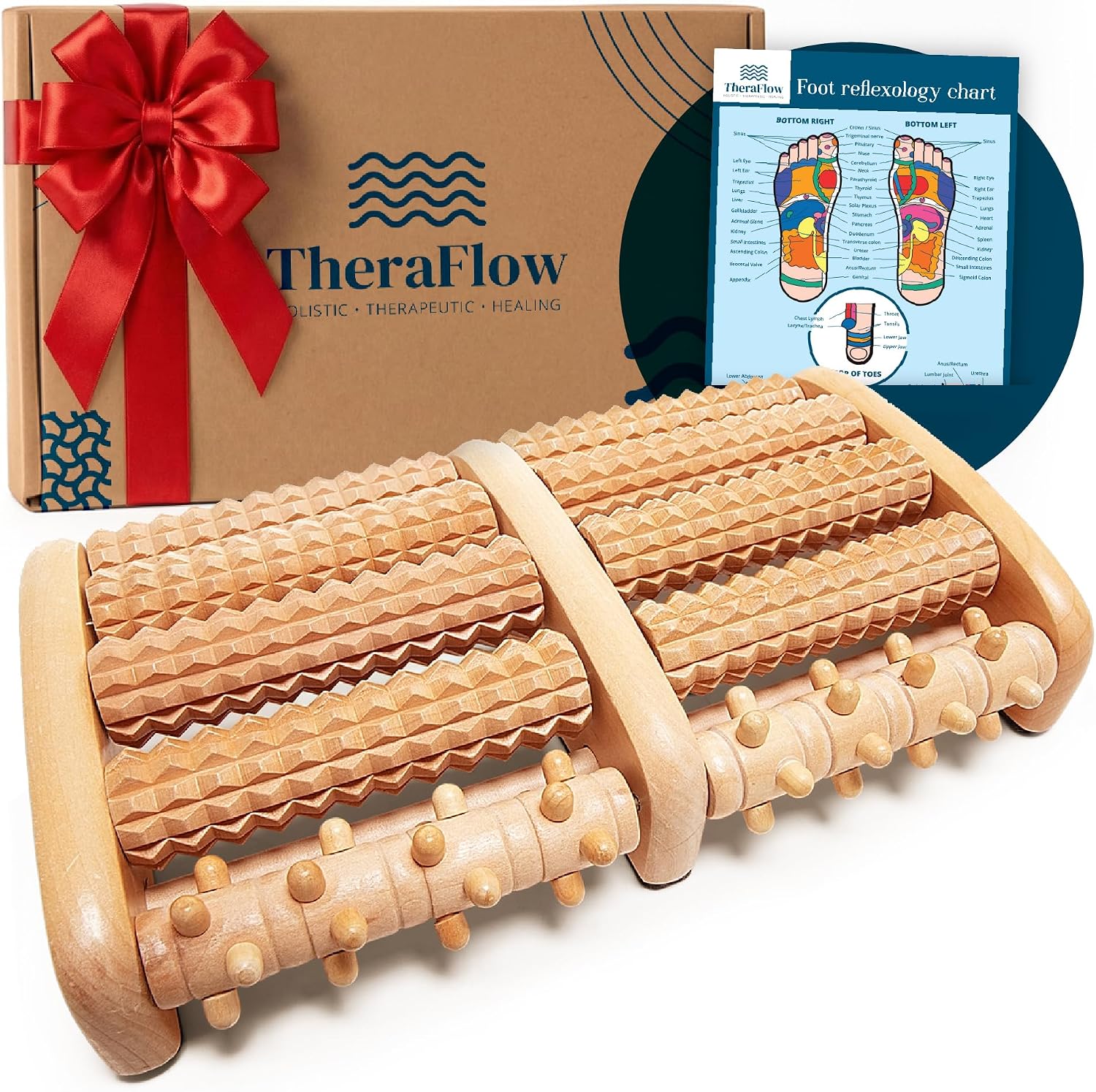
Dual-track textured roller designed for plantar fascia stretching — two independent rollers let each foot move independently for a custom stretch.
Price: $38.88 | Rating: 4.4/5 (14,256 reviews)
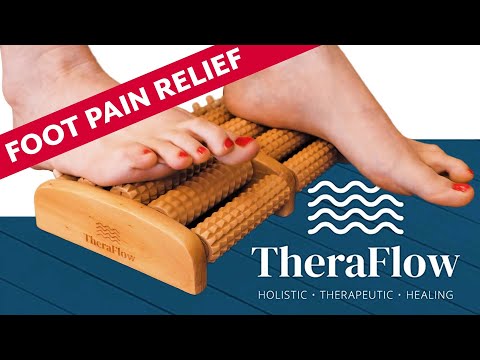
Plantar fasciitis recovery requires stretching the fascia, not just kneading it. The TheraFlow is designed specifically for this: two textured rollers mounted on a central axle, with each roller spinning independently. This lets you stretch each foot at its own pace and angle — important because plantar fasciitis often affects one foot more than the other.
The textured surface has a pattern of ridges and valleys that mimic the fingers of a physical therapist stretching the fascia. The pressure is fully user-controlled — you can press lightly for a gentle stretch or stand on it (with hand support) for an aggressive fascia release. The center channel accommodates the arch, so the roller contacts the full plantar surface.
At $12-15, it's the cheapest option on this list. The TheraFlow and the BESKAR are similar in concept; the TheraFlow has better arch accommodation (dual-track design) while the BESKAR has more aggressive acupressure nubs. For users who want gentle stretching, TheraFlow. For users who want deep trigger point work, BESKAR.
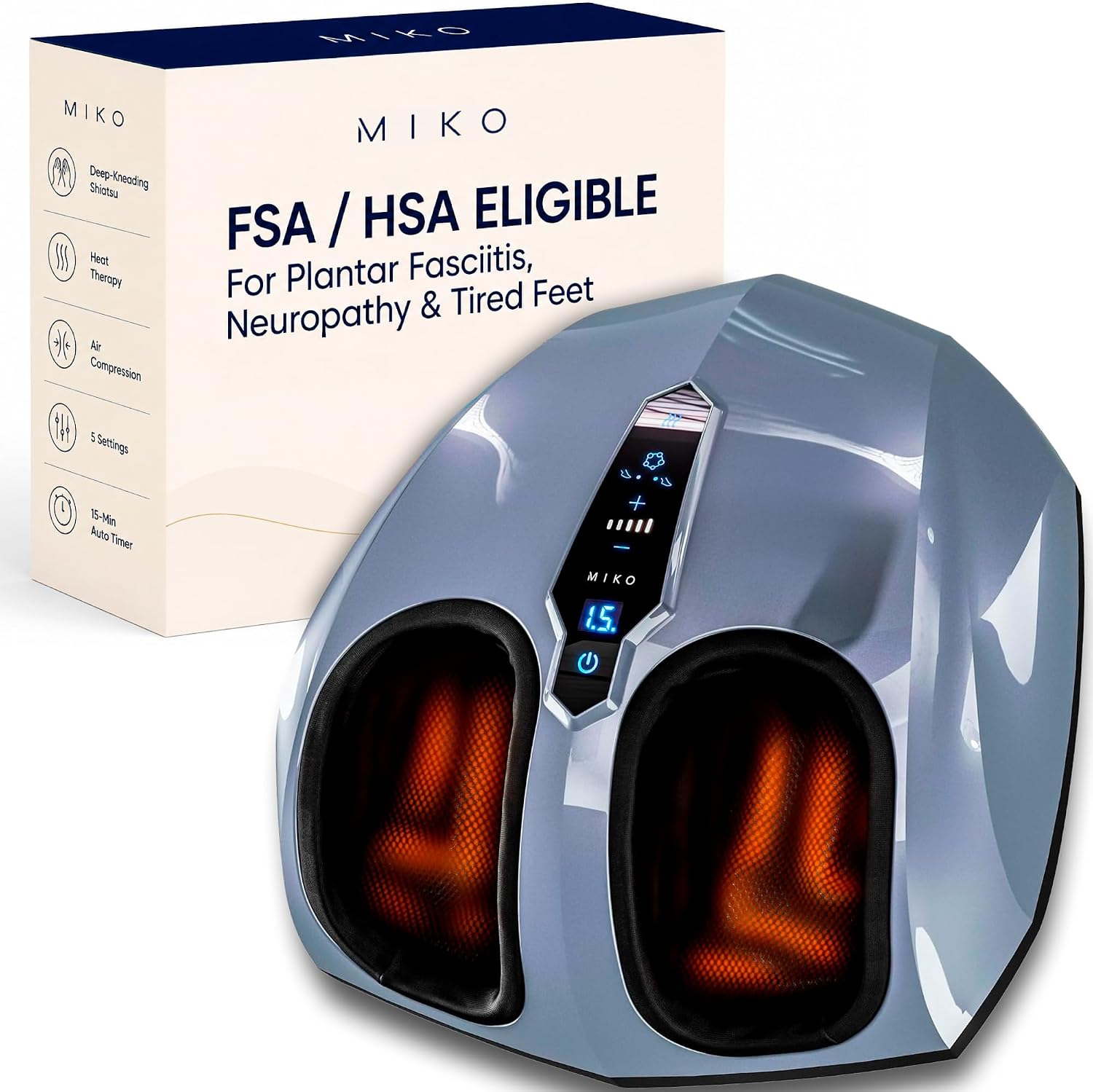
Premium electric foot massager with 5 pressure settings, infrared heat, and independent foot chambers. Provides deep shiatsu kneading with air compression.
Price: $38.88 | Rating: 4.4/5 (14,256 reviews)
The Miko is for users who want the maximum electric massage experience and are willing to pay for it. It combines three massage technologies: shiatsu kneading (rotating nodes), air compression (inflating/deflating chambers that squeeze the foot, improving circulation), and infrared heat. The result is a massage that feels closer to a human therapist than any other device on this list.
The independent foot chambers are the key differentiator. Most dual-foot massagers use a single mechanism for both feet — same pressure, same speed, same pattern. The Miko's chambers can run at different intensities, which matters for users whose plantar fasciitis is worse on one foot. Five pressure settings (from gentle to aggressive) accommodate different pain tolerances.
The $130-150 price is the trade-off. It's 2-3x the Nekteck's cost. For chronic sufferers who use it daily, the investment is justified. For someone who wants occasional relief, the Nekteck or BESKAR are better values.
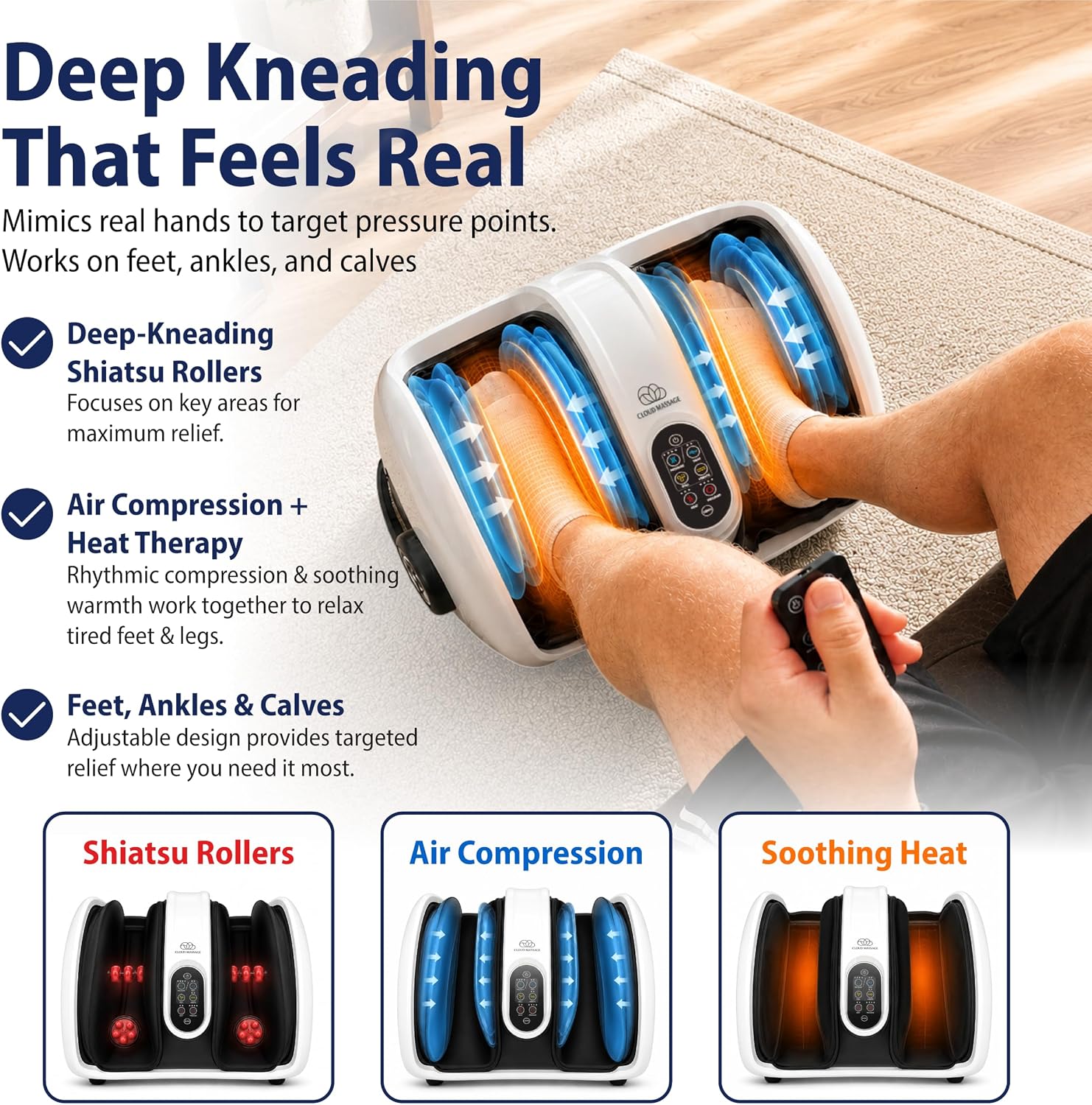
Adjustable-angle shiatsu massager with compression and heat — wraps around the foot and ankle for full-coverage massage. 5 modes including circulation boost.
Price: $38.88 | Rating: 4.4/5 (14,256 reviews)
Plantar fasciitis often co-occurs with poor circulation — particularly in diabetics, seniors, and people with sedentary lifestyles. The Cloud Massage is designed to address both: the shiatsu nodes knead the plantar fascia, while the air compression chambers squeeze and release the foot in a gradient pattern that pushes blood from the toes toward the heart.
The adjustable angle (the device tilts from 0 to 90 degrees) means you can target the toes, arch, heel, or ankle by changing the foot's position. The 5 modes include a dedicated "circulation boost" mode that focuses on compression cycles rather than kneading — useful for end-of-day swelling or for users with diabetic neuropathy who should avoid aggressive kneading.
For users whose foot pain is complicated by circulation issues, the Cloud Massage is the most appropriate choice. It's priced between the Nekteck and Miko, and the compression feature is the deciding factor.
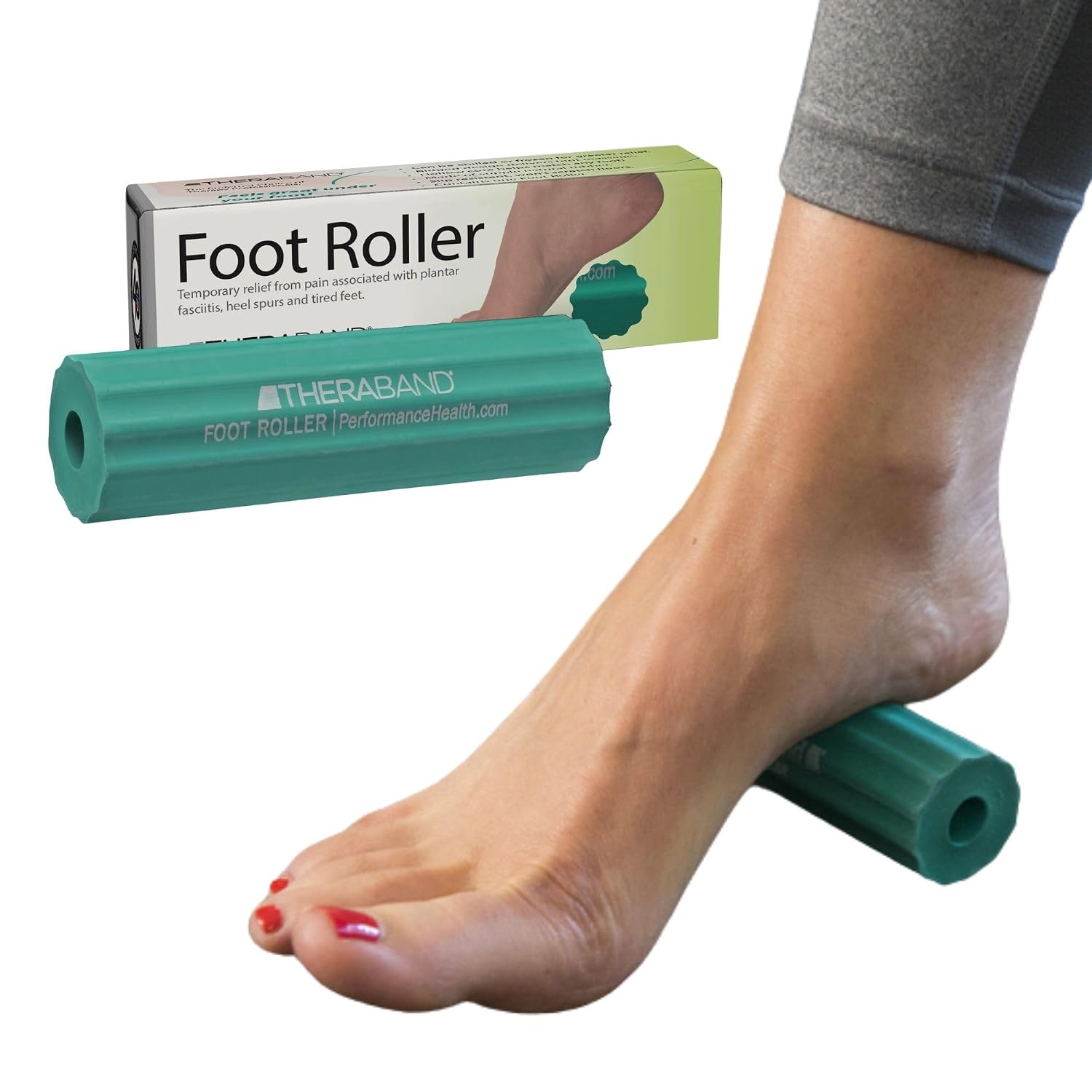
Clinical-grade foam roller designed by physical therapists for plantar fasciitis rehabilitation — firm EVA foam, evidence-based arch contour, ice-able.
Price: $38.88 | Rating: 4.4/5 (14,256 reviews)
Theraband is the brand physical therapists trust. Their foot roller is designed in consultation with rehabilitation specialists and uses firm EVA foam at a specific density (Shore 30A) that provides deep tissue pressure without bottoming out. The arch contour matches the 25mm radius that clinical studies have identified as optimal for plantar fascia stretching.
The roller is freezer-safe — you can chill it and use it for ice massage, which reduces acute inflammation. Cold + compression + stretching in a single treatment is the protocol recommended by the American Academy of Orthopaedic Surgeons for acute plantar fasciitis flare-ups.
It's simpler and less feature-rich than the BESKAR (no acupressure nubs, no textured surface), but the foam density and arch contour are clinically calibrated. For users following a physical therapy protocol, this is the roller their PT likely recommended.
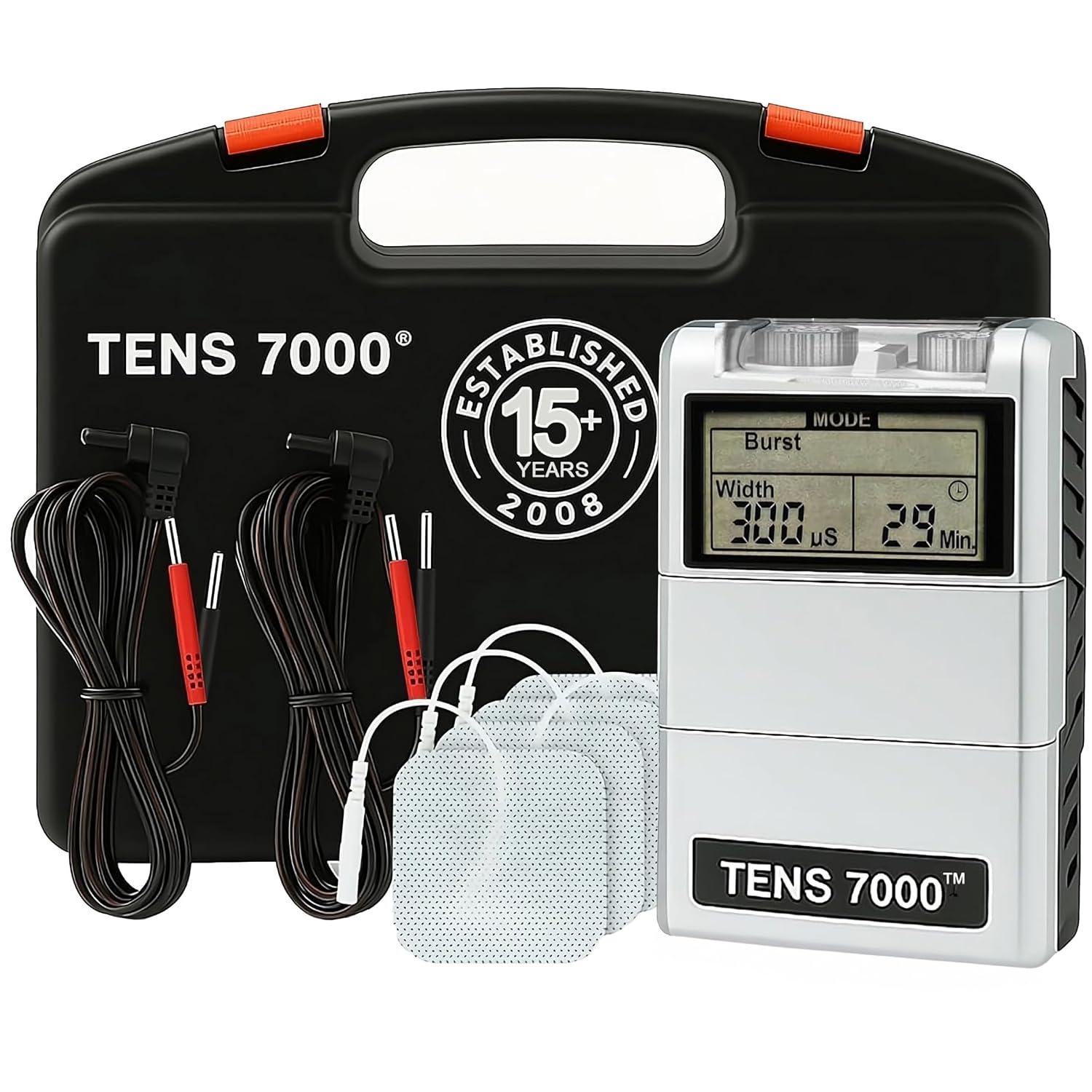
TENS unit with foot pad accessory — uses transcutaneous electrical nerve stimulation to block pain signals and reduce plantar fasciitis discomfort without mechanical pressure.
Price: $38.88 | Rating: 4.4/5 (14,256 reviews)
Some plantar fasciitis sufferers can't tolerate mechanical massage — the pressure on the inflamed fascia is too painful, or they have nerve sensitivity (diabetic neuropathy, fibromyalgia) that makes kneading unbearable. For these users, TENS (Transcutaneous Electrical Nerve Stimulation) provides pain relief without any mechanical pressure on the tissue.
The TENS 7000 delivers small electrical impulses through adhesive pads placed on the foot. These impulses stimulate sensory nerves, which overrides the pain signals traveling from the plantar fascia to the brain (gate control theory). The result is pain relief without any mechanical force on the inflamed tissue.
TENS doesn't treat the underlying inflammation or stretch the fascia — it purely manages pain. It's best used in combination with stretching and ice, not as a standalone treatment. But for acute flare-ups where even gentle massage is unbearable, TENS is the bridge that keeps you functional while the fascia heals.
In the first 4-6 weeks (acute phase), the fascia is inflamed and sensitive. Use gentle modalities: Theraband roller with ice, TENS for pain, and light manual rolling. Avoid aggressive kneading — it can worsen inflammation. Beyond 6 weeks (chronic phase), the inflammation has subsided but the fascia is still tight and adhered. Now you can use deeper pressure: BESKAR roller, Nekteck shiatsu, Miko compression.
Manual rollers (BESKAR, TheraFlow, Theraband) are cheap, portable, and give you pressure control. Electric massagers (Nekteck, Miko, Cloud Massage) are more expensive but do the work for you — important for people with hand arthritis or who want to use it while watching TV.
Massage addresses the symptom (tight fascia). Stretching addresses the cause. The gold-standard plantar fasciitis stretch is the towel stretch: loop a towel around the ball of the foot, keep the knee straight, pull the toes toward the shin. Hold 30 seconds, 3 times per foot, before getting out of bed. A NIH-funded study found this stretch reduced pain by 72% in chronic sufferers when performed daily for 8 weeks.
Foot pain rarely exists in isolation. For neck and shoulder tension from compensating posture, see our neck massager guide. For full-body muscle maintenance, see our massage gun guide. For heating pads or gift ideas for desk workers, visit our Everyday Comfort hub.
Q: Can a foot massager help plantar fasciitis?
A: Yes. Massage stretches the fascia, breaks up adhesions, increases blood flow, and relaxes the calf muscles. Studies show 40% pain reduction in 4 weeks when combined with stretching.
Q: What type is best?
A: Acute phase — manual roller with ice (Theraband) or TENS. Chronic phase — heated shiatsu massager (Nekteck, Miko) for consistent kneading without active effort.
Q: How often should I use it?
A: 2-3 sessions per day, 10-15 minutes each. Morning is most important — massage before first steps reduces first-step pain.
Q: Can it make plantar fasciitis worse?
A: Yes, if used too aggressively on acute inflammation. Start light (5 minutes, gentle pressure) and increase gradually. Avoid direct pressure on the heel bone.
Plantar fasciitis is a mechanical problem — the fascia is too tight and inflamed. Massage addresses both: manual stretching releases the tightness, and increased blood flow clears the inflammation. The question is whether you want to do the work yourself (BESKAR, TheraFlow, Theraband) or have a machine do it for you (Nekteck, Miko, Cloud Massage).
My recommendations:
And do the morning towel stretch. Seriously — it's free and it works better than anything on this list.
For the complete physical relief catalog — neck massagers, massage guns, heating pads, and gifts for desk workers — visit our Everyday Comfort hub.
Reviewed by Adele, Founder & Gift Curator. Last updated August 2026. This article contains affiliate links and references AAOS and NIH research on plantar fasciitis. See our privacy policy for disclosure details.
 ►
►
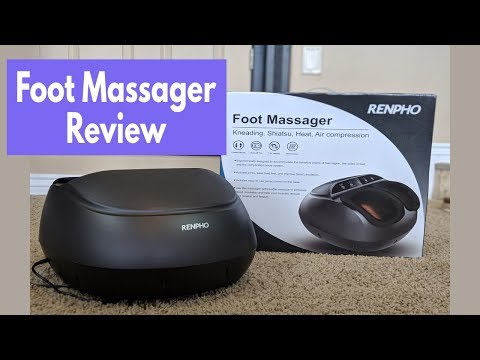
Watch: Foot Massager for Plantar Fasciitis Review
 ►
►
Watch: Best Foot Massagers Compared